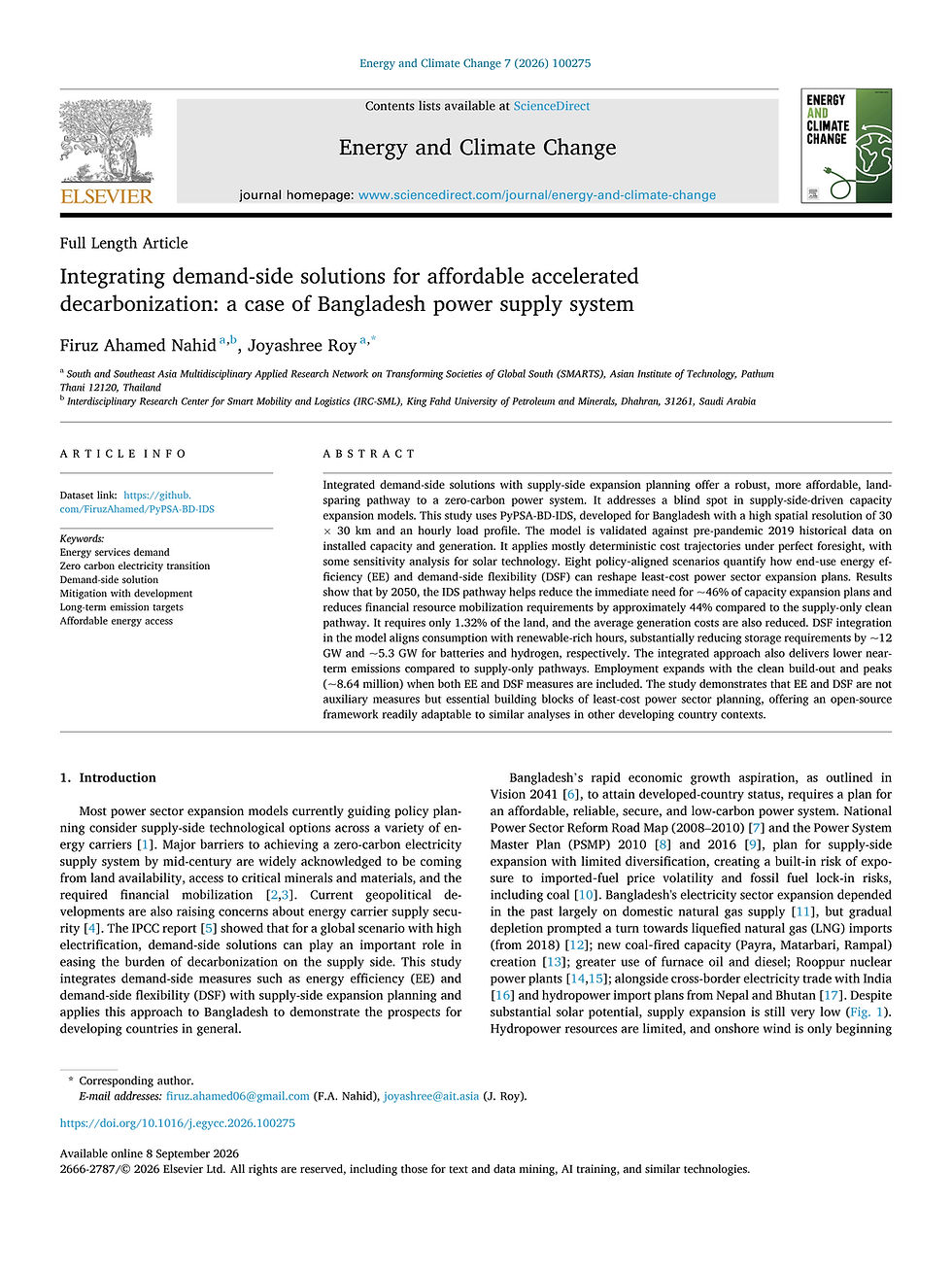
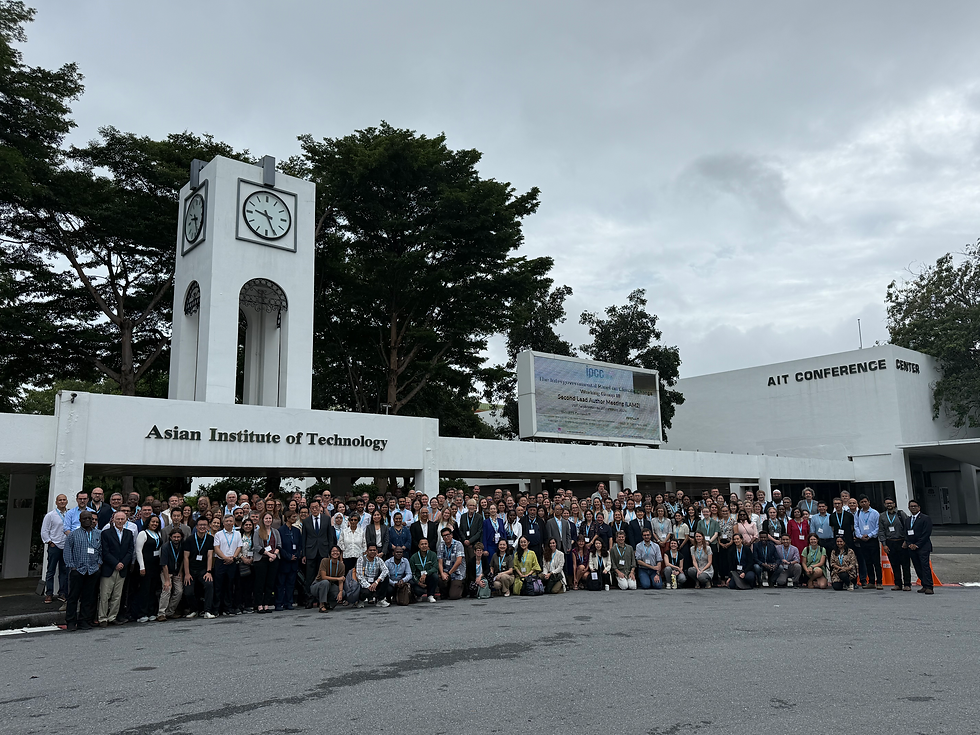
SMARTS’s new publications: "Transition to Circular Plastic Economy: How It Is Unfolding in Developing Countries"

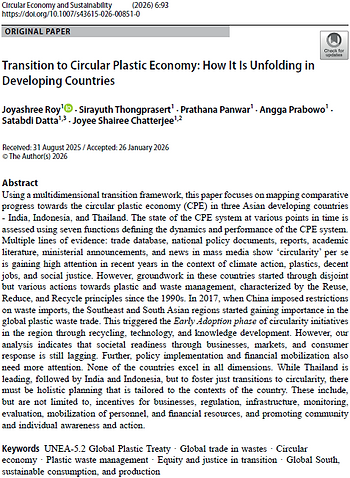
Global plastic production has increased from 2 tonnes to 450 million tonnes in the past 70 years and is projected to increase rapidly. Plastic waste leaks into water bodies, rivers, oceans, and land, while structures like drainages or dams are harming the environment and food security, and contributing to the severity of extreme events like floods and waterlogging. Using a framework, this paper maps comparative progress towards the circular plastic economy (CPE) in three Asian developing countries - India, Indonesia, and Thailand; to discover the enablers, barriers, and insights on plastic waste management and circularity development.

Fig. 1 Conceptual diagram of the Linear Plastic Economy (LPE) to Circular Plastic Economy (CPE) transition. The CPE has more potential for creating new economic activities and services in the production and consumption system that are sustainable.
Find out:
🔄 What is the circular economy, and how can it help with plastic waste management?
📈 How a multidimensional transition framework can map the transition progress to a circular plastic economy across time and context with 7 unique functions.
💡 How three countries of different development levels and systems approach plastic waste management—and their gaps and successes.
Read the article here now:
Click here to find SMARTS' other publications:
#SMARTSAIT #circularity #plastic #plasticwastemanagement #demandsidesolution #climatejustice #India #Indonesia #Thailand